 Free Transportation
Pediatric Dental Emergency Care: What Parents Should Do When a Child Has a Tooth Injury
Learn what parents should do after a child tooth injury, including knocked-out, broken, or loose teeth, and when to contact an emergency pediatric dentist.
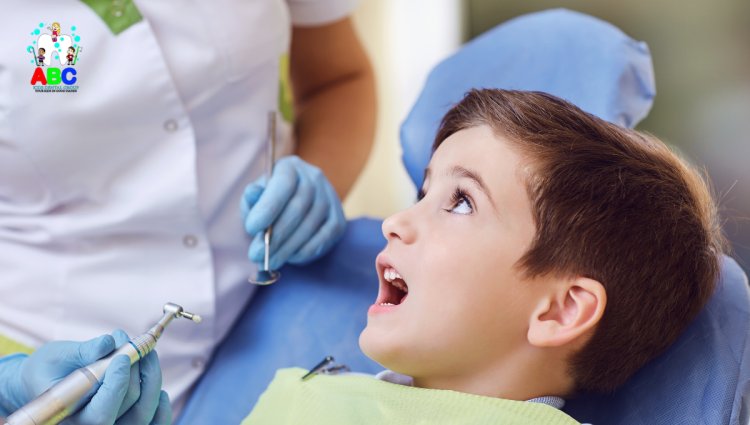
Children are naturally active. From playground falls and sports accidents to biting something hard, a child tooth injury can happen when parents least expect it. While some dental injuries are minor, others require prompt professional attention to protect the tooth and prevent long-term complications.
Knowing what to do during a pediatric dental emergency can help parents stay calm and make the right decision. If your child has chipped, cracked, loosened, or knocked out a tooth, contacting an emergency pediatric dentist as soon as possible is an important first step.
What Is a Pediatric Dental Emergency?
A pediatric dental emergency is an injury or dental problem that needs prompt attention because it may cause significant pain, bleeding, infection, or permanent damage to a child's teeth or surrounding tissues.
Common dental emergencies in children include:
- A knocked-out permanent tooth
- A severely chipped or broken tooth
- A loose or displaced tooth after an accident
- Severe toothache or swelling
- Bleeding from the mouth that does not stop
- An injury to the gums, lips, tongue, or jaw
- A dental infection accompanied by facial swelling or fever
- Damage to a tooth after a sports or playground accident
When you're unsure whether an injury requires immediate care, it's better to contact a kids emergency dentist for guidance.
What Should Parents Do After a Child Tooth Injury?
The first few minutes after an accident can feel overwhelming. Try to remain calm and reassure your child. Then follow these steps.
1. Check Your Child for Other Injuries
Before focusing only on the tooth, make sure your child is otherwise okay. Look for serious bleeding, difficulty breathing, loss of consciousness, severe swelling, or signs of a head or facial injury.
If your child has a serious head injury, difficulty breathing, uncontrolled bleeding, or another potentially life-threatening condition, seek emergency medical care immediately.
2. Look at the Injured Tooth
If possible, gently examine the mouth. Look for:
- Cracks or missing pieces of the tooth
- A tooth that has moved from its normal position
- Excessive bleeding
- Swelling
- Cuts inside the mouth
- A tooth that appears loose
- A completely knocked-out tooth
Avoid repeatedly touching or moving the injured tooth because this may cause additional discomfort or damage.
3. If a Permanent Tooth Is Knocked Out
A knocked-out permanent tooth requires urgent dental attention. If you can locate the tooth, pick it up by the crown—the part normally visible in the mouth—and avoid touching the root.
If the tooth is dirty, gently rinse it with water. Do not scrub it or use soap or chemicals.
Contact an emergency pediatric dentist immediately for instructions and care. Time can be important when a permanent tooth has been completely knocked out.
A baby tooth should not be placed back into the socket because doing so can potentially affect the developing permanent tooth.
4. Control Bleeding and Reduce Swelling
For minor bleeding, have your child gently bite on clean gauze or a clean cloth. A cold compress placed on the outside of the cheek can help reduce swelling and discomfort.
Do not place ice directly against the skin for an extended period.
5. Save Any Broken Tooth Pieces
If part of a tooth has broken off, save the piece and bring it with your child to the dentist. Place it in a clean container and follow your dentist's instructions about how to transport it.
Even if the injury looks small, a dentist should evaluate significant chips and fractures because damage may extend below the visible surface.
When Should You Call an Emergency Pediatric Dentist?
Parents should contact an emergency pediatric dentist when a child experiences significant dental trauma, severe pain, swelling, bleeding, or a tooth that has been knocked out or displaced.
You should also seek professional advice if:
- Your child cannot comfortably bite or close their mouth.
- The tooth has become unusually dark after an injury.
- There is swelling around the tooth or face.
- Your child experiences persistent pain.
- A tooth is extremely loose after trauma.
- Your child has difficulty eating because of the injury.
- You notice signs of infection, such as increasing swelling, fever, or drainage.
Some dental injuries may not look serious immediately. A professional examination can help determine whether the tooth, root, gums, or surrounding bone has been affected.
Can a Sports Injury Damage a Child's Teeth?
Yes. Sports are a common source of dental injuries in children and teenagers. Contact sports and activities involving falls or collisions can increase the risk of chipped, fractured, displaced, or knocked-out teeth.
Parents can reduce the risk by making sure children wear properly fitted protective equipment. A custom mouthguard may provide additional protection during sports.
Regular dental visits are also useful because a pediatric dentist can monitor developing teeth and discuss age-appropriate injury prevention.
What About Unexplained Dental Injuries?
Most childhood dental injuries happen because of ordinary accidents. However, healthcare professionals may sometimes encounter injuries that do not appear consistent with the explanation provided.
Parents and caregivers should understand that signs of an abusive relationship can sometimes include unexplained or repeated injuries, controlling behavior, threats, isolation, or frequent injuries described as unexplained “accidents.” The American Academy of Pediatrics identifies behaviors such as jealousy, possessiveness, controlling behavior, threats, and physical violence as warning signs of abusive relationships.
Dental and facial injuries can also occur in situations involving interpersonal violence. Injuries involving the head, face, neck, and teeth may warrant careful attention when the circumstances do not match the reported history.
This does not mean that an unusual tooth injury automatically indicates abuse. Children can experience perfectly ordinary accidents. However, if you are concerned that a child may be unsafe, take the concern seriously and seek help from an appropriate healthcare professional or emergency service.
How Can Parents Prevent Dental Emergencies?
You cannot prevent every accident, but a few simple habits can significantly reduce the risk of dental injuries.
Encourage Protective Gear
Children participating in sports should use appropriate protective equipment, including a properly fitted mouthguard when recommended.
Avoid Hard or Dangerous Objects
Discourage children from chewing on hard objects such as ice, pens, pencils, or non-food items that could damage their teeth.
Childproof the Home
Use safety gates where appropriate, secure loose rugs, and keep floors and play areas free from hazards that could cause falls.
Maintain Regular Dental Visits
Routine pediatric dental appointments can identify developing problems before they become emergencies. They also give parents an opportunity to ask questions about oral hygiene, tooth development, sports protection, and cavity prevention.
Why Choose a Pediatric Dentist for Dental Emergencies?
Children have unique dental needs because their mouths and teeth are still developing. A pediatric dentist is trained to work with children and understand the differences between primary and permanent teeth.
A child-friendly dental environment can also help reduce anxiety after an accident. Parents should explain the situation calmly and reassure their child that the dental team is there to help.
At ABC Kids Dental LA, families can access pediatric dental care at locations throughout the San Fernando Valley, including Granada Hills, Pacoima, Sun Valley, San Fernando, and Reseda. The practice also provides free transportation and accepts Denti-Cal and PPO insurance plans.
Frequently Asked Questions
1. What should I do if my child's permanent tooth is knocked out?
Find the tooth, hold it by the crown rather than the root, gently rinse it if necessary, and contact an emergency pediatric dentist immediately for professional instructions. A knocked-out permanent tooth requires urgent attention.
2. Is a chipped baby tooth a dental emergency?
It depends on the severity of the injury. A small chip may not require emergency treatment, but significant damage, pain, bleeding, swelling, or a displaced tooth should be evaluated promptly by a pediatric dentist.
3. How can I reduce swelling after a child's dental injury?
A cold compress placed on the outside of the cheek can help reduce swelling. Avoid placing ice directly on the skin. If swelling is severe or continues to increase, contact a dentist or seek medical attention.
4. Should I take my child to a kids emergency dentist after a sports injury?
If the injury involves a broken, loose, displaced, or knocked-out tooth, significant pain, bleeding, or swelling, contact a kids emergency dentist as soon as possible. Even injuries that appear minor may need professional evaluation.
5. Can a dental injury cause problems later?
Yes. Trauma can sometimes affect the tooth's nerve, root, surrounding tissues, or developing permanent teeth. Follow-up care is important, even when your child initially feels better.
Get Help for Your Child's Dental Emergency
A dental accident can be frightening, but knowing what to do can make the situation much easier. Stay calm, protect the injured area, avoid unnecessary handling of the tooth, and contact a qualified emergency pediatric dentist when professional care is needed.
For pediatric dental care and emergency dental concerns, contact ABC Kids Dental LA to learn more about available care and appointment options.
ABC Kids Dental LA
Call: 833-422-2543
ABC Kids Dental LA accepts Denti-Cal and PPO insurance plans and offers free transportation.
What's Your Reaction?