 Free Transportation
The Hidden Reasons Your Child’s Teeth May Be Getting Cavities
Discover the hidden causes of cavities in children, from frequent snacking to improper brushing. Learn expert prevention tips from ABC Kids Dental LA.
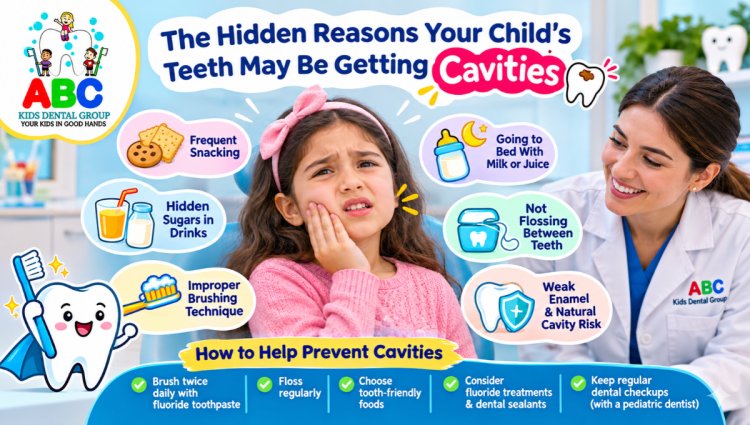
Healthy smiles start with healthy habits, but sometimes cavities develop even when parents think they are doing everything right. You may limit sweets, remind your child to brush, and schedule dental appointments, yet tooth decay can still appear. Why does this happen?
Cavities in children are not always caused by eating too much candy. Several hidden factors, including frequent snacking, nighttime milk consumption, improper brushing techniques, weak enamel, and bacteria buildup, can increase the risk of tooth decay.
Understanding these lesser-known causes can help parents protect their children's teeth and prevent painful dental problems. At ABC Kids Dental LA, we believe that educating parents is an important step toward building healthier smiles.
Let's explore the hidden reasons behind childhood cavities and discover how you can protect your little one's teeth.
1. Frequent Snacking Throughout the Day
One surprising reason children develop cavities is eating too frequently. Even healthy snacks can contribute to tooth decay when children eat them throughout the day.
Every time your child eats carbohydrates or sugary foods, bacteria in the mouth produce acids that attack tooth enamel. Frequent eating gives teeth less time to recover between acid attacks.
Common cavity-causing snack habits include:
-
Eating crackers, cookies, or chips throughout the day.
-
Frequently consuming fruit snacks and dried fruits.
-
Drinking juice or sweetened beverages between meals.
-
Eating sticky foods that remain on teeth.
What parents can do: Establish regular meal and snack times. Offer tooth-friendly options such as cheese, plain yogurt, fresh vegetables, and water between meals.
2. Hidden Sugars in Everyday Drinks
You might avoid giving your child candy regularly, but hidden sugars in everyday beverages can still increase cavity risk.
Fruit juices, flavored milk, sports drinks, and sweetened beverages contain sugars that feed cavity-causing bacteria. Even drinks marketed as healthy can contribute to tooth decay when consumed frequently.
Another concern is allowing children to sip sugary drinks over extended periods.
Healthy alternatives include:
-
Plain drinking water.
-
Unsweetened milk.
-
Whole fruits instead of fruit juice.
Encourage your child to drink water throughout the day and avoid sugary beverages before bedtime.
3. Improper Brushing Techniques
Brushing twice daily is important, but the technique matters just as much as consistency.
Young children often lack the coordination needed to clean every tooth properly. They may brush quickly, miss their back molars, or avoid areas that are difficult to reach.
Plaque can accumulate around the gumline and between teeth, increasing the risk of cavities.
Helpful brushing tips:
-
Brush for two minutes, twice a day.
-
Use fluoride toothpaste appropriate for your child's age.
-
Choose a soft-bristled, child-sized toothbrush.
-
Help young children brush until they can do it effectively themselves.
-
Begin flossing when two teeth touch.
Parents should supervise brushing and make it a fun daily activity rather than a rushed chore.
4. Going to Bed With Milk or Juice
Bedtime bottle habits are another hidden cause of childhood cavities.
When children fall asleep with a bottle containing milk, juice, or another sugary drink, their teeth remain exposed to sugars for extended periods. Saliva production also decreases during sleep, reducing the mouth's natural ability to wash away food particles and neutralize acids.
This can contribute to a condition called baby bottle tooth decay, particularly in infants and toddlers.
To reduce the risk:
-
Avoid putting your child to bed with a bottle of juice or milk.
-
Clean your baby's gums and teeth after the last feeding.
-
Transition away from bedtime bottle habits when appropriate.
-
Never dip pacifiers in honey or sugary substances.
5. Not Flossing Between Baby Teeth
Many parents believe flossing is only necessary once permanent teeth appear. However, cavities can develop between baby teeth when they touch each other.
A toothbrush cannot effectively clean every tight space between teeth. Food particles and plaque can remain trapped in these areas, creating an environment where decay develops.
Start flossing when your child's teeth begin touching. Parents may need to assist younger children until they develop the necessary hand coordination.
Regular dental examinations also help identify areas where plaque buildup or early decay may be occurring.
6. Weak Enamel and Natural Cavity Risk
Not every child has the same level of protection against cavities. Some children may have enamel defects, deep grooves in their molars, or other dental characteristics that make their teeth more vulnerable to decay.
Enamel is the protective outer layer of teeth. When it is weak, damaged, or insufficiently mineralized, teeth may become more susceptible to acid attacks.
Certain medical conditions, medications that cause dry mouth, and reduced saliva production may also increase cavity risk.
A pediatric dental examination can help identify these concerns and determine whether preventive treatments, such as fluoride applications or dental sealants, may benefit your child.
7. Skipping Regular Dental Checkups
One of the biggest hidden reasons cavities go unnoticed is missing routine dental visits.
Early cavities may not cause pain or visible symptoms. By the time your child complains of a toothache, the decay may have progressed.
Regular dental checkups allow a dentist to examine developing teeth, identify early signs of decay, and recommend preventive care.
The American Academy of Pediatric Dentistry recommends establishing a dental home by age one.
Parents can also read our guide on what to expect during your child's first dental visit.
How Can Parents Prevent Cavities in Children?
Preventing childhood cavities requires a combination of good home care and professional dental support.
Here are five simple habits to follow:
-
Brush twice daily: Use fluoride toothpaste and supervise your child's brushing routine.
-
Floss regularly: Clean between teeth where toothbrush bristles cannot reach.
-
Choose tooth-friendly foods: Limit frequent sugary snacks and drinks.
-
Consider preventive treatments: Ask your dentist whether fluoride treatments and dental sealants are appropriate.
-
Schedule regular checkups: Follow your dentist's recommended examination schedule.
You can also explore comprehensive children's dentistry services and learn more about the importance of regular dental checkups.
Frequently Asked Questions About Cavities in Children
1. Why does my child get cavities even after brushing twice a day?
Brushing is essential, but frequent snacking, sugary drinks, missed areas, inadequate flossing, and enamel problems can still contribute to cavities. A dental examination can help identify the underlying cause.
2. Are cavities in baby teeth really serious?
Yes. Untreated cavities can cause pain, infection, difficulty eating, and problems with the developing permanent teeth. Baby teeth play an important role in speech, chewing, and maintaining space for adult teeth.
3. How often should children visit a pediatric dentist?
Many children benefit from dental checkups approximately every six months. However, children with a higher risk of cavities may need more frequent visits based on their dentist's recommendation.
4. Can fluoride treatments prevent childhood cavities?
Fluoride strengthens tooth enamel and helps reverse early mineral loss. Professional fluoride treatments can reduce cavity risk when recommended by a dental professional.
5. What are the early warning signs of cavities in children?
Early signs may include white or chalky spots, brown or dark areas, sensitivity, food getting trapped between teeth, and toothaches. Some cavities have no obvious symptoms, making regular examinations important.
Give Your Child a Healthier, Cavity-Free Smile With ABC Kids Dental LA
Your child's smile deserves attention, care, and protection at every stage of development. Understanding hidden cavity risks is the first step toward preventing tooth decay and establishing healthy dental habits.
At ABC Kids Dental LA, we are committed to helping children maintain healthy smiles through preventive dental care, regular examinations, and child-friendly dental services.
Whether you are searching for a pediatric dentist in Granada Hills, a pediatric dentist in Pacoima, or a trusted children's dentist in San Fernando, our team serves families across multiple San Fernando Valley communities.
Explore our office locations or request an appointment today.
Contact ABC Kids Dental LA
-
Granada Hills: 818-488-6068
-
Pacoima: 818-890-8070
-
Sun Valley: 818-504-9216
-
San Fernando: 818-600-4690
-
Reseda: 818-401-6777
-
Main Phone: 833-422-2543
-
Website: https://www.abckidsdentalla.com/
We accept Denti-Cal and all PPO insurances. Se habla español.
Schedule your child's dental visit today and take the first step toward a healthier, brighter smile!
What's Your Reaction?