 Free Transportation
Dental Sealants for Kids: How Pediatric Dentists Help Prevent Childhood Cavities
Learn how dental sealants for kids help protect vulnerable teeth from cavities and how pediatric dentists use sealants as part of children's preventive dental care.
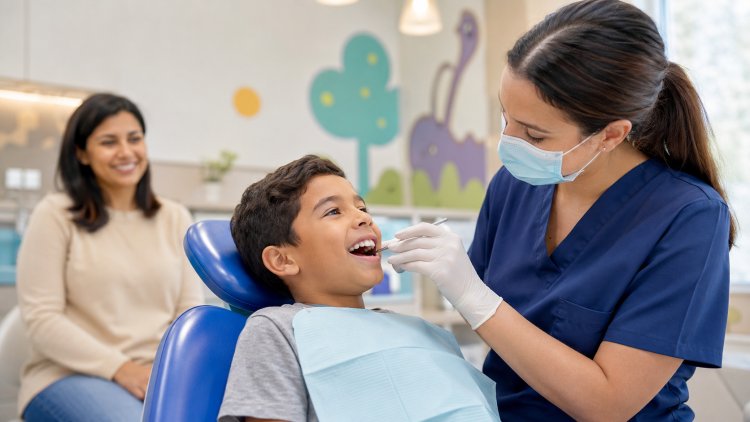
Cavities are one of the most common oral health problems affecting children. Even with regular brushing and flossing, it can be difficult for kids to clean every part of their teeth effectively. The deep grooves and pits on the chewing surfaces of back teeth can trap food and bacteria, making them particularly vulnerable to decay.
Fortunately, dental sealants for kids offer a simple and effective way to provide extra protection. These thin protective coatings are applied to the chewing surfaces of certain teeth to help keep cavity-causing bacteria and food particles away from areas that can be difficult to clean.
For parents looking for practical ways to support their child's oral health, understanding how sealants work, when they may be recommended, and how they fit into a complete dental care routine can be helpful.
What Are Dental Sealants?
Dental sealants are thin protective materials placed over the grooves and pits of teeth, most commonly the back molars. These areas naturally have deep grooves where food particles and bacteria can collect.
A toothbrush may not always reach into these narrow spaces effectively. A sealant creates a smooth protective barrier over the chewing surface, making the tooth easier to keep clean.
Pediatric dental sealants are particularly useful because children's permanent molars can be susceptible to cavities soon after they erupt.
Sealants do not replace brushing, flossing, fluoride, or regular dental visits. Instead, they work alongside these habits as another layer of protection.
How Do Dental Sealants for Kids Work?
The process of applying dental sealants for children is generally quick and comfortable.
Step 1: The Dentist Examines the Tooth
Before applying a sealant, the pediatric dentist examines the tooth to make sure it is appropriate for treatment. The dentist may also check for existing decay or other dental concerns.
Step 2: The Tooth Is Cleaned
The tooth is carefully cleaned to remove food particles, plaque, and debris from the chewing surface.
Step 3: The Tooth Is Prepared
The tooth is kept dry while the surface is prepared so the sealant can bond properly.
Step 4: The Sealant Is Applied
The dentist paints the sealant onto the grooves and pits of the tooth. The material flows into the small spaces and forms a protective coating.
Step 5: The Sealant Is Hardened
A special dental curing light is typically used to harden the material. Once it has set, the dentist checks the sealant and the child's bite.
The entire process usually takes only a few minutes per tooth.
Why Are Kids' Back Teeth More Vulnerable to Cavities?
Molars have uneven chewing surfaces designed to help grind food. Their natural pits and grooves can be deeper than the bristles of a toothbrush can comfortably reach.
For children who are still developing their brushing skills, these areas can be especially challenging to clean.
This is one reason kids cavity prevention often focuses on protecting newly erupted permanent molars.
Permanent first molars commonly appear around age six, while second molars generally emerge around age 12. A pediatric dentist can evaluate these teeth as they develop and determine whether sealants may be beneficial.
What Are the Benefits of Pediatric Dental Sealants?
Helps Protect Vulnerable Tooth Surfaces
The primary purpose of sealants is to provide a protective barrier over areas where bacteria and food particles can become trapped.
Supports Kids Cavity Prevention
Sealants are one tool that can support a comprehensive kids cavity prevention plan. They can be especially helpful for children who may have difficulty keeping their molars completely clean.
Quick and Comfortable Procedure
Applying a sealant generally does not require drilling or removing healthy tooth structure. The procedure is typically straightforward and well tolerated by children.
Makes Teeth Easier to Clean
By filling deep grooves and creating a smoother surface, sealants can make certain areas of the teeth easier to brush effectively.
Provides Additional Protection
Even children who brush and floss regularly may benefit from additional protection on cavity-prone surfaces. Sealants can complement good daily oral hygiene.
Are Dental Sealants Safe for Children?
Parents often have questions about the safety of dental sealants. Dental materials are evaluated for their appropriate use in dental care, and pediatric dentists consider factors such as the child's age, oral health, tooth development, and cavity risk before recommending treatment.
If you have concerns about the material used or whether sealants are appropriate for your child, talk with your pediatric dentist. They can explain the benefits, potential considerations, and alternatives based on your child's individual needs.
When Should a Child Get Dental Sealants?
There is no single age that applies to every child. A pediatric dentist may recommend sealants when permanent molars erupt and are healthy enough for the procedure.
The timing may depend on:
- Which teeth have erupted
- The depth of the tooth's grooves
- The child's cavity history
- Oral hygiene habits
- Diet and snacking patterns
- Overall risk of tooth decay
- The condition of the teeth
Regular dental examinations allow the dentist to monitor newly erupted teeth and recommend protection when appropriate.
Do Baby Teeth Need Sealants?
In some cases, yes. Although baby teeth eventually fall out, keeping them healthy is still important.
Healthy primary teeth help children chew comfortably, support normal speech development, and maintain appropriate space for developing permanent teeth.
A pediatric dentist may recommend a sealant for a baby tooth if its anatomy or the child's risk of cavities makes protection beneficial.
The decision should be based on an individual dental examination rather than age alone.
How Can Parents Prevent Cavities Along With Sealants?
Sealants are helpful, but they are only one part of a child's oral health routine. Parents can support kids cavity prevention by establishing consistent habits at home.
Encourage Twice-Daily Brushing
Children should brush their teeth twice a day using fluoride toothpaste appropriate for their age. Younger children may need help from a parent to ensure all tooth surfaces are cleaned properly.
Don't Forget Flossing
Flossing helps clean between teeth where toothbrush bristles cannot reach. Parents should help young children floss until they have the coordination to do it effectively themselves.
Choose Tooth-Friendly Snacks
Frequent sugary snacks and drinks can increase the risk of tooth decay. Encourage nutritious snacks and water throughout the day.
Schedule Regular Dental Visits
Routine pediatric dental appointments allow the dentist to check for early signs of cavities, monitor tooth development, and provide preventive care.
Follow Your Dentist's Fluoride Recommendations
Fluoride strengthens tooth enamel and helps protect against decay. Your child's dentist can recommend the appropriate amount based on age and individual risk.
How Long Do Dental Sealants Last?
Dental sealants can remain on teeth for years, but they are not permanent. Normal chewing and everyday wear can cause sealants to become thinner or partially lost over time.
During regular dental examinations, the pediatric dentist can check the condition of each sealant. If a sealant becomes damaged or wears away, the dentist can determine whether it should be repaired or replaced.
This is another reason routine dental visits are important even after a child receives sealants.
Are Sealants a Replacement for Brushing?
No. This is an important point for parents.
Dental sealants for kids protect specific tooth surfaces, primarily the grooves and pits of molars. They do not cover every part of the mouth.
Children still need to:
- Brush twice a day
- Floss regularly
- Use fluoride appropriately
- Limit frequent sugary foods and drinks
- Drink plenty of water
- Visit their pediatric dentist regularly
Think of sealants as an additional layer of protection rather than a replacement for good oral hygiene.
Frequently Asked Questions About Dental Sealants for Kids
1. Do dental sealants hurt?
Dental sealant placement is generally a comfortable procedure. It typically does not involve drilling or removing healthy tooth structure. Your child's pediatric dentist can explain each step and help make the experience comfortable.
2. How long does it take to apply a dental sealant?
Applying a sealant is usually a quick procedure. The exact time depends on how many teeth are being treated and your child's individual needs.
3. Can children get cavities under sealants?
Sealants are designed to protect vulnerable tooth surfaces, but no preventive treatment eliminates the possibility of cavities completely. Regular brushing, flossing, dental visits, and professional sealant checks remain important.
4. Are dental sealants only for permanent teeth?
No. While permanent molars are common candidates, a pediatric dentist may recommend sealants for certain baby teeth when appropriate.
5. How can I know if my child needs dental sealants?
The best way is to schedule an examination with a pediatric dentist. The dentist can evaluate your child's teeth, cavity risk, oral hygiene, and tooth development before recommending dental sealants for children.
Give Your Child an Extra Layer of Cavity Protection
Preventing cavities starts with good daily habits, but some areas of children's teeth can be harder to clean than others. Dental sealants for kids can provide an additional protective barrier over the grooves of cavity-prone teeth and support a broader approach to children's oral health.
If you're wondering whether your child could benefit from pediatric dental sealants, talk with a qualified pediatric dentist. A professional evaluation can help you understand your child's individual cavity risk and determine which preventive treatments are appropriate.
CALL US:- 818-488-6068
https://abckidsdentalla.com/
What's Your Reaction?